
Haptic Vest
August 2022 - Project from the “Analog to Digital” Residency at the Estonian Academy of Art (EKA)
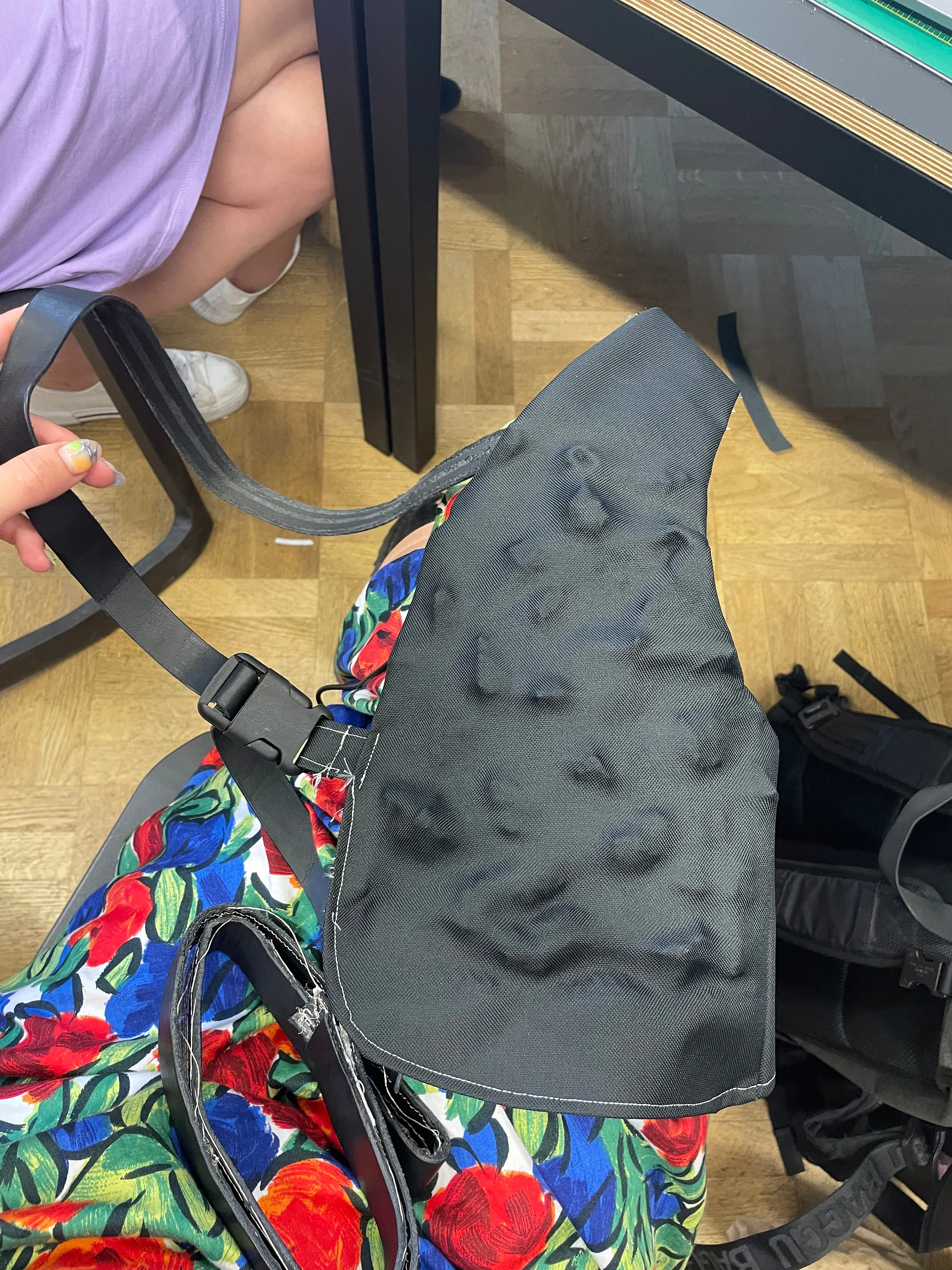
Sensing Digital & Analog Together
The goal of the residency was to explore how do we sense digital and analog technologies?
I wanted to explore e-textiles through the sense of touch. Often I explore inputs, but this time I wanted to explore ways to incorporate tactile outputs.
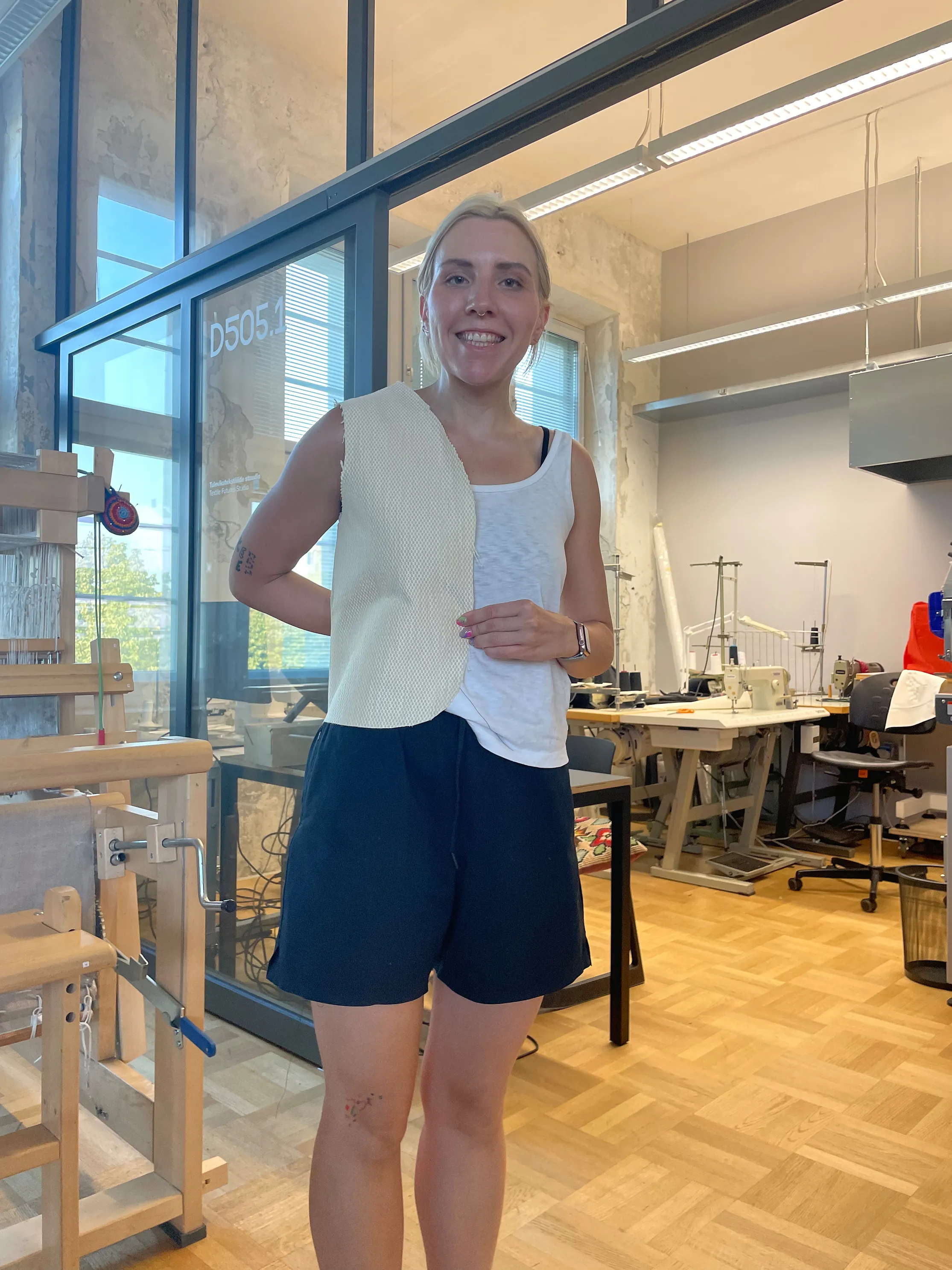
The vest has 4 vibration motors added into the inner seem of the lining that oscillate up and down at the BPM of a heart.
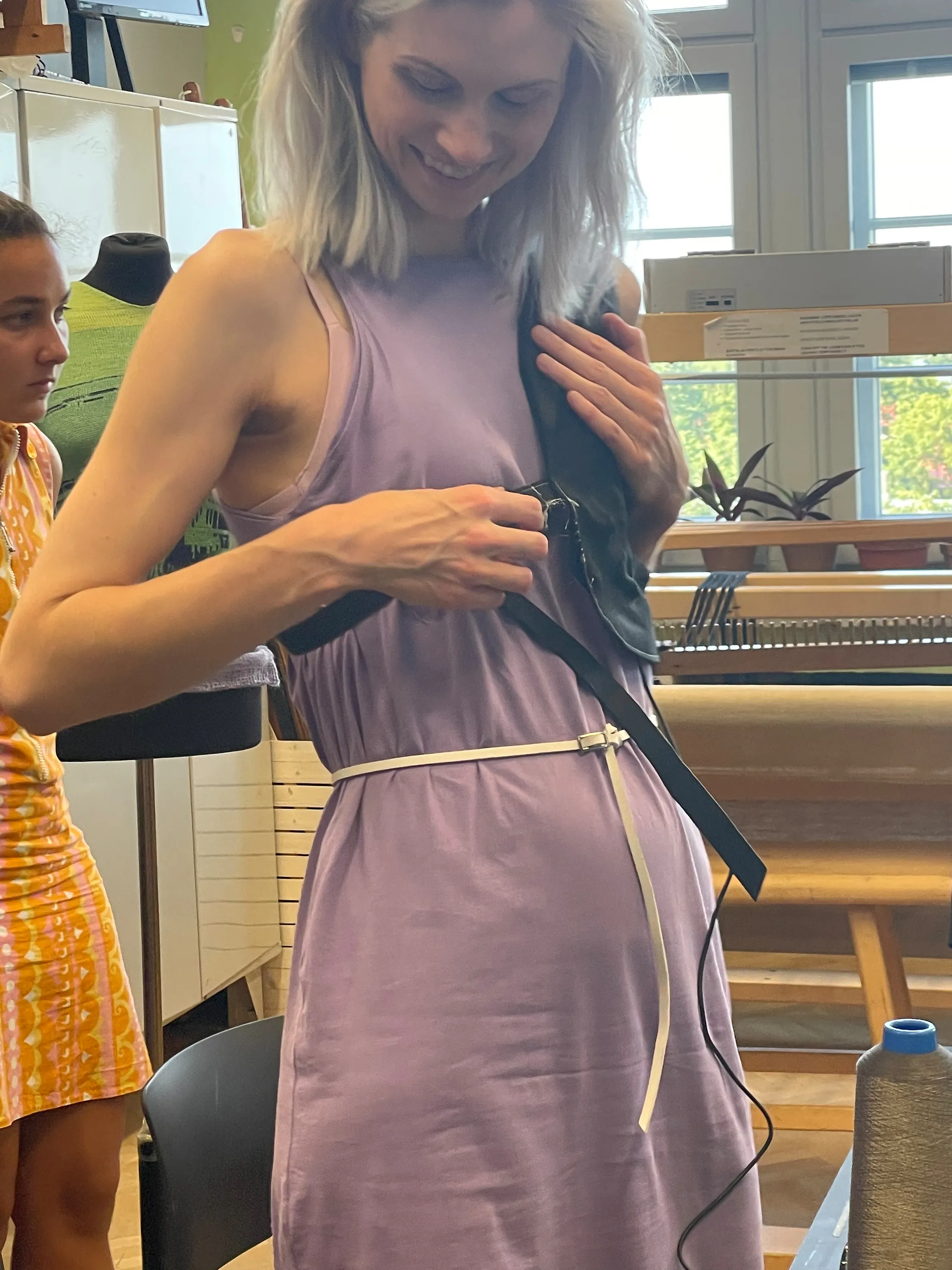
Residency participant wearing the Haptic Vest and feeling the oscillating vibration along the inside of the vest.
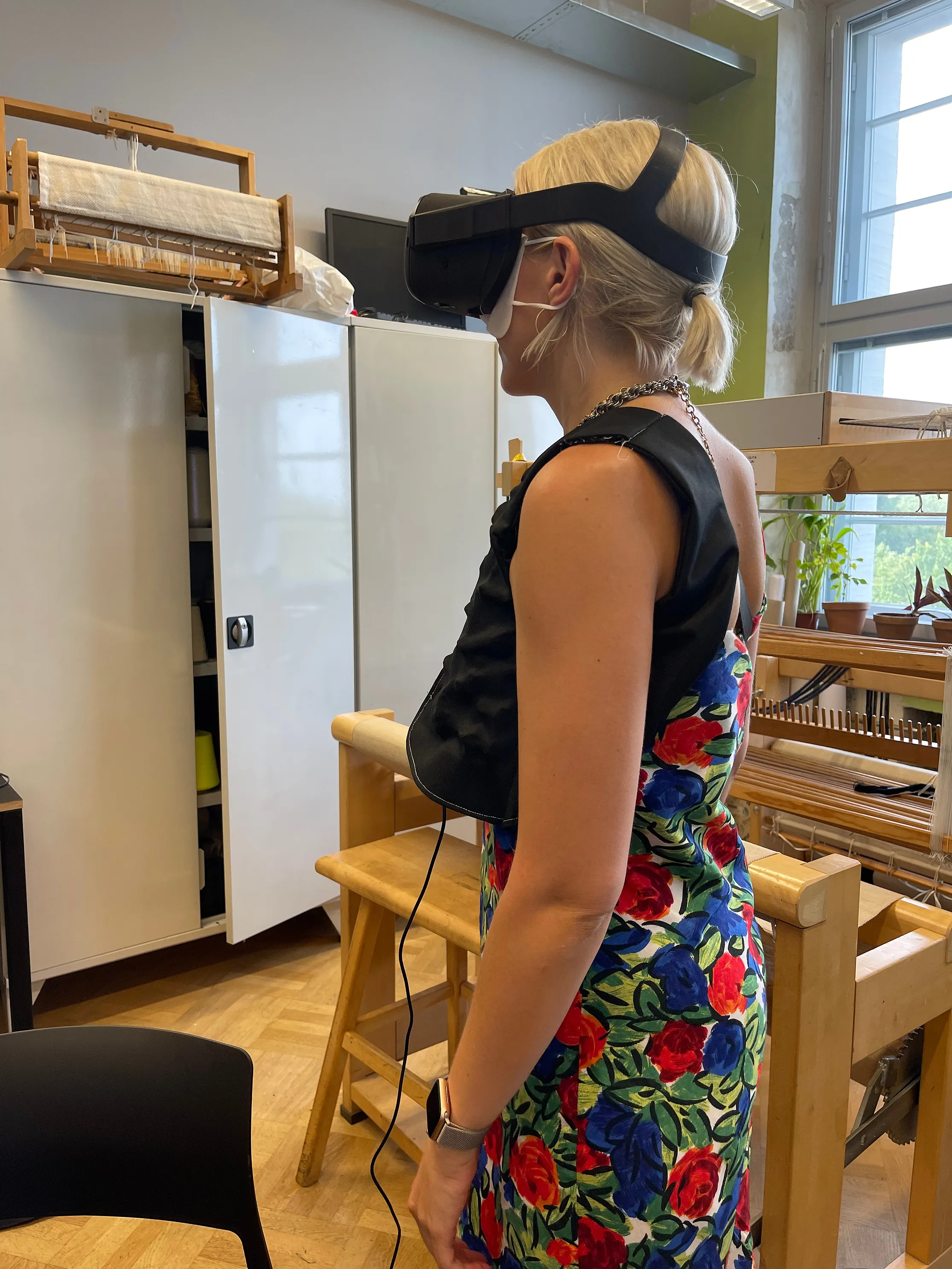
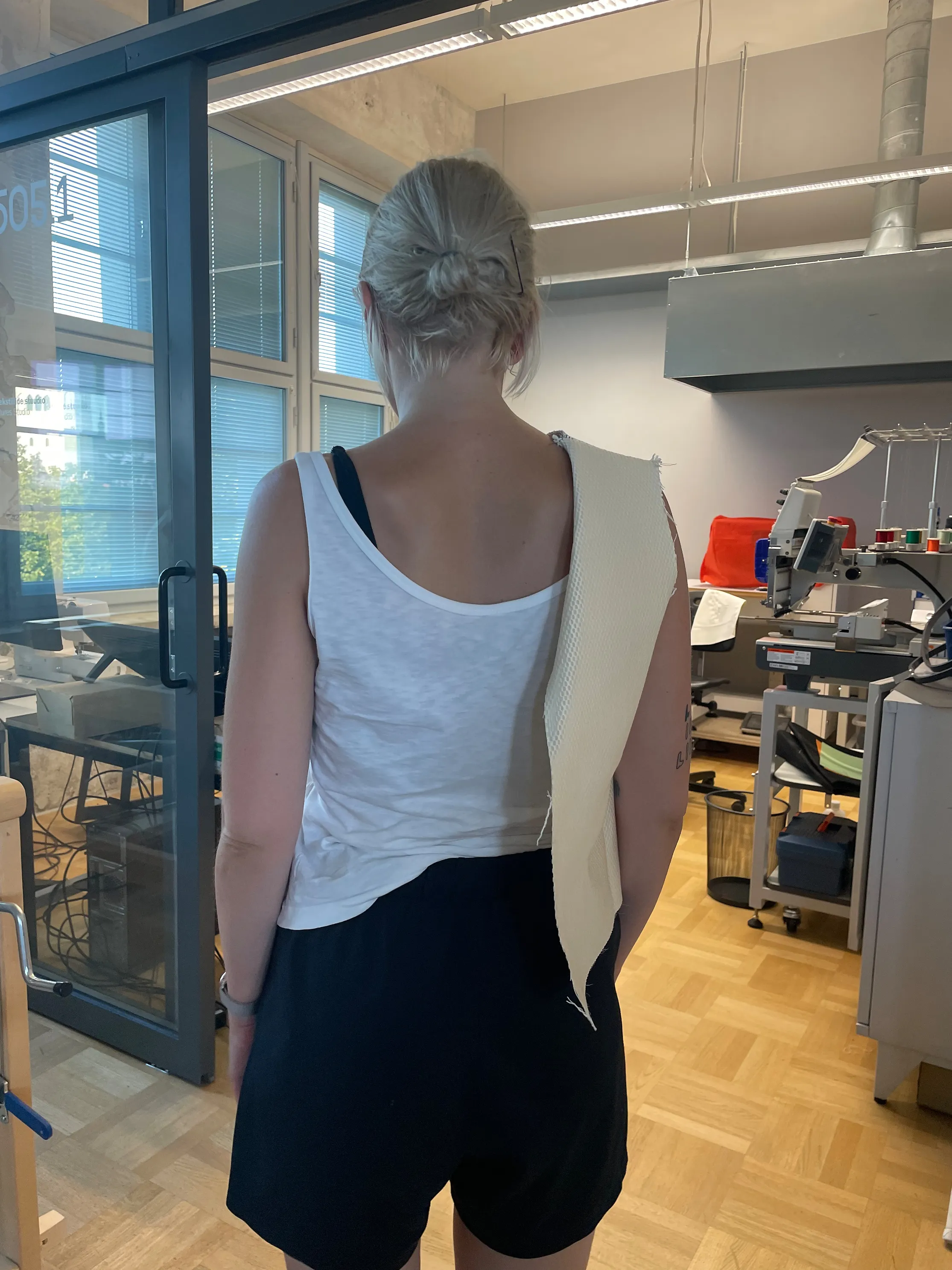
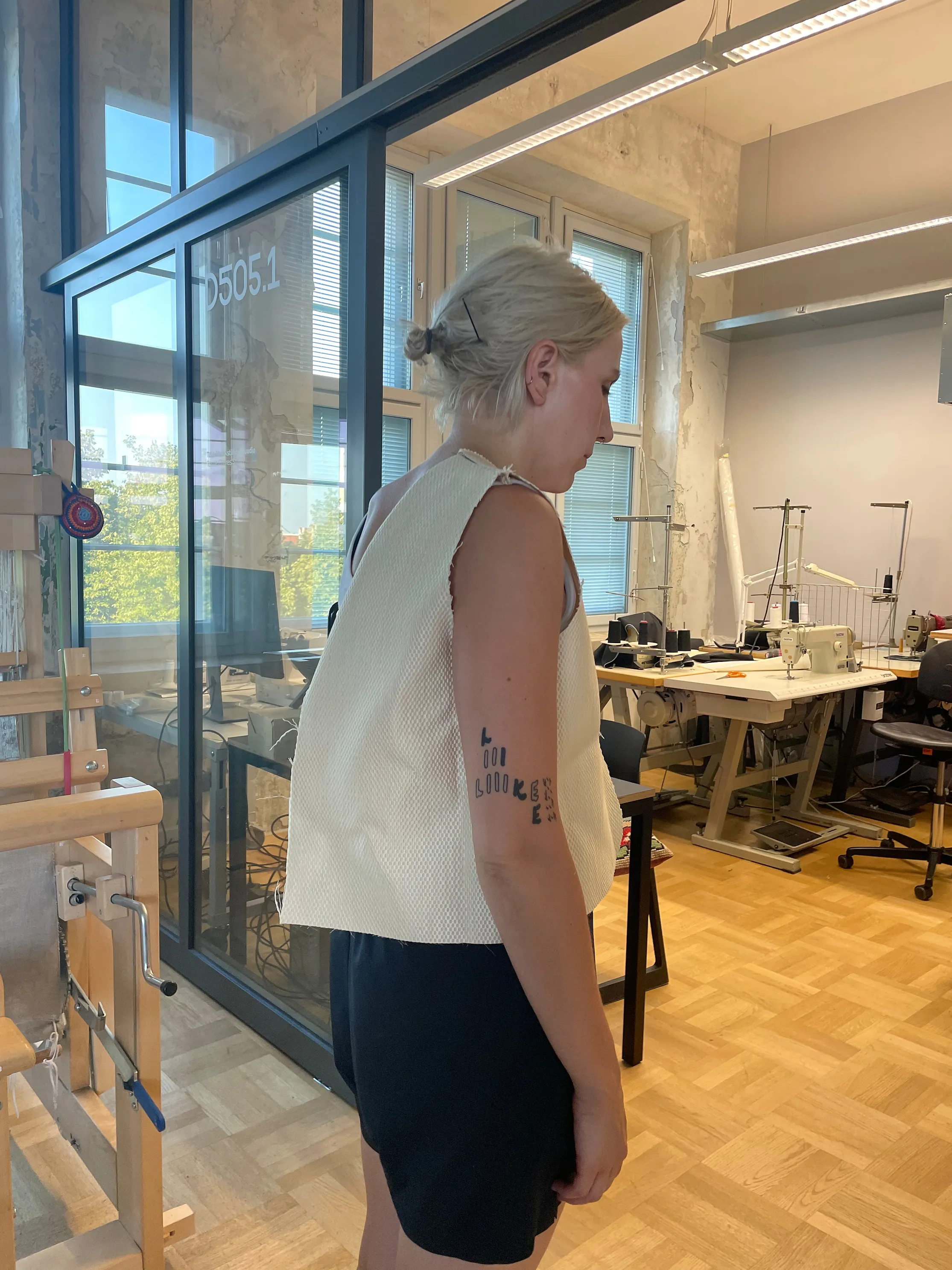
Back & side view of the vest.
Inspiration
1) Vacuum forming textiles
One of the samples that I saw in the materials department at EKA was of vacuum formed fabric. I knew I wanted to explore using that as a part of residency since it was a skill I had never used before.
2) Utility vests
I also wanted to create a utility vest, based off of Engineered Garments half vest. Many e-textile projects “look” like an e-textile project (i.e. work that is bulky to hold components, LEDs flashing random patterns, etc.) I wanted to explore how a utility vest could be use in e-textiles as a basis for interaction and holding components.
3) Inputs vs Outputs
I wanted to explore using outputs that I infrequently use. I chose to use vibration motors to place them around chest of the wearer since the half-vest is meant to be snugly fit to the torso.
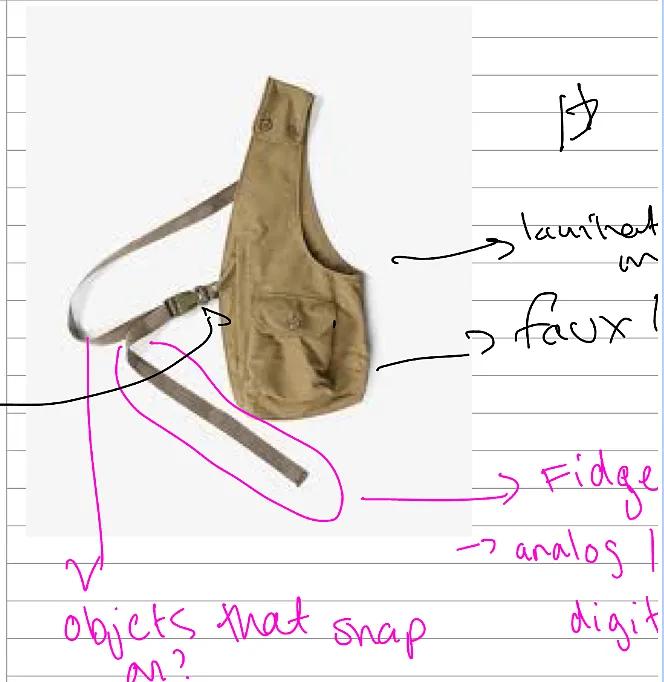
Initial notes about how I could incorporate the design elements of the Engineered Garments half-vest (pictured above) into e-textile interactios.
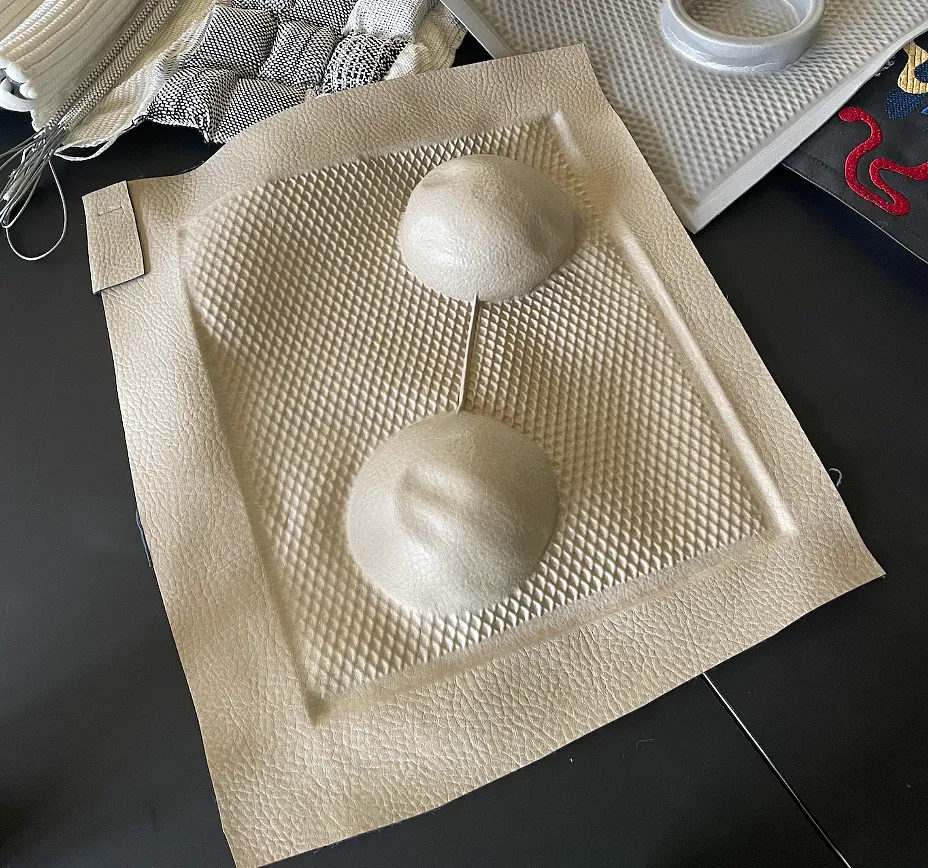
A sample of tightly woven synthetic fabric vacuum formed around two dome objects.
Prototyping process
1) Create a “half-vest” pattern
I modified an existing vest pattern that I had drafted earlier in the year.
I cut the pattern out of spare waterproof fabric.
I notched where the vest needed to be adjusted to fit closer to the original inspiration.
2) Testing out vacuum formed fabric
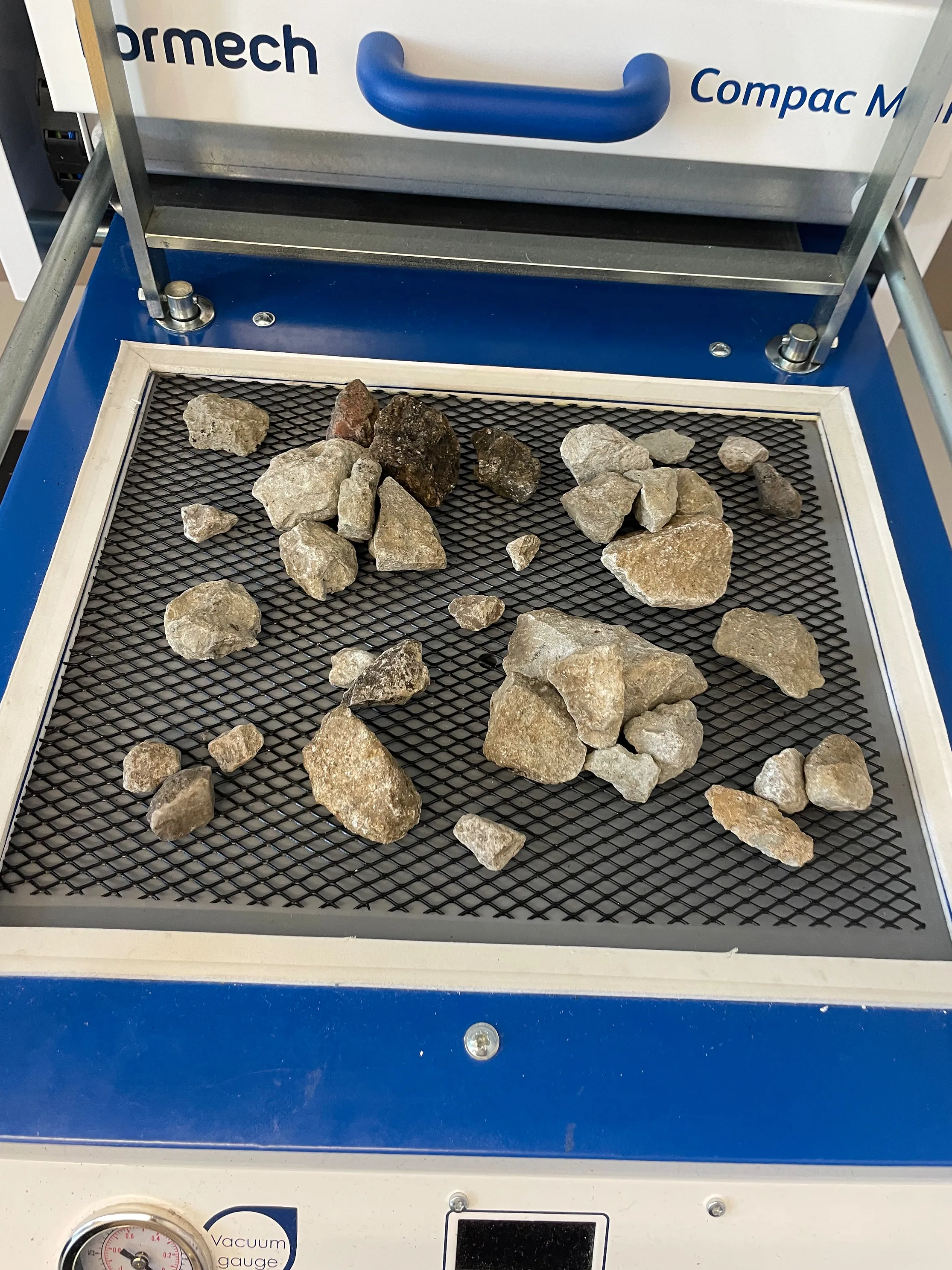
I chose to use rocks to create an organic and lumpy aesthetic.
The fabric is industrial waterproof synthetic mix.
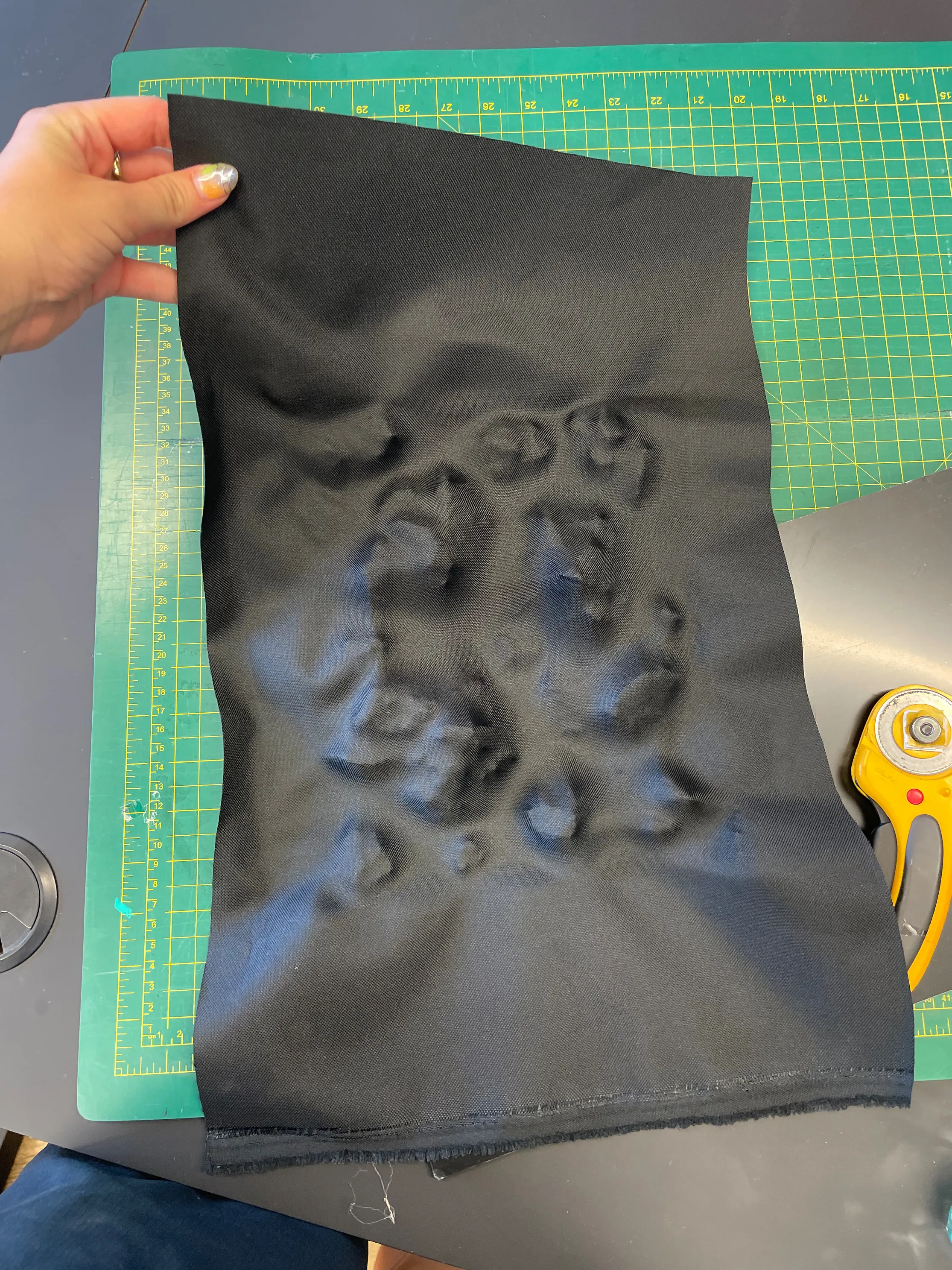
The impression of the vacuum formed rocks.
3) Designing the circuit
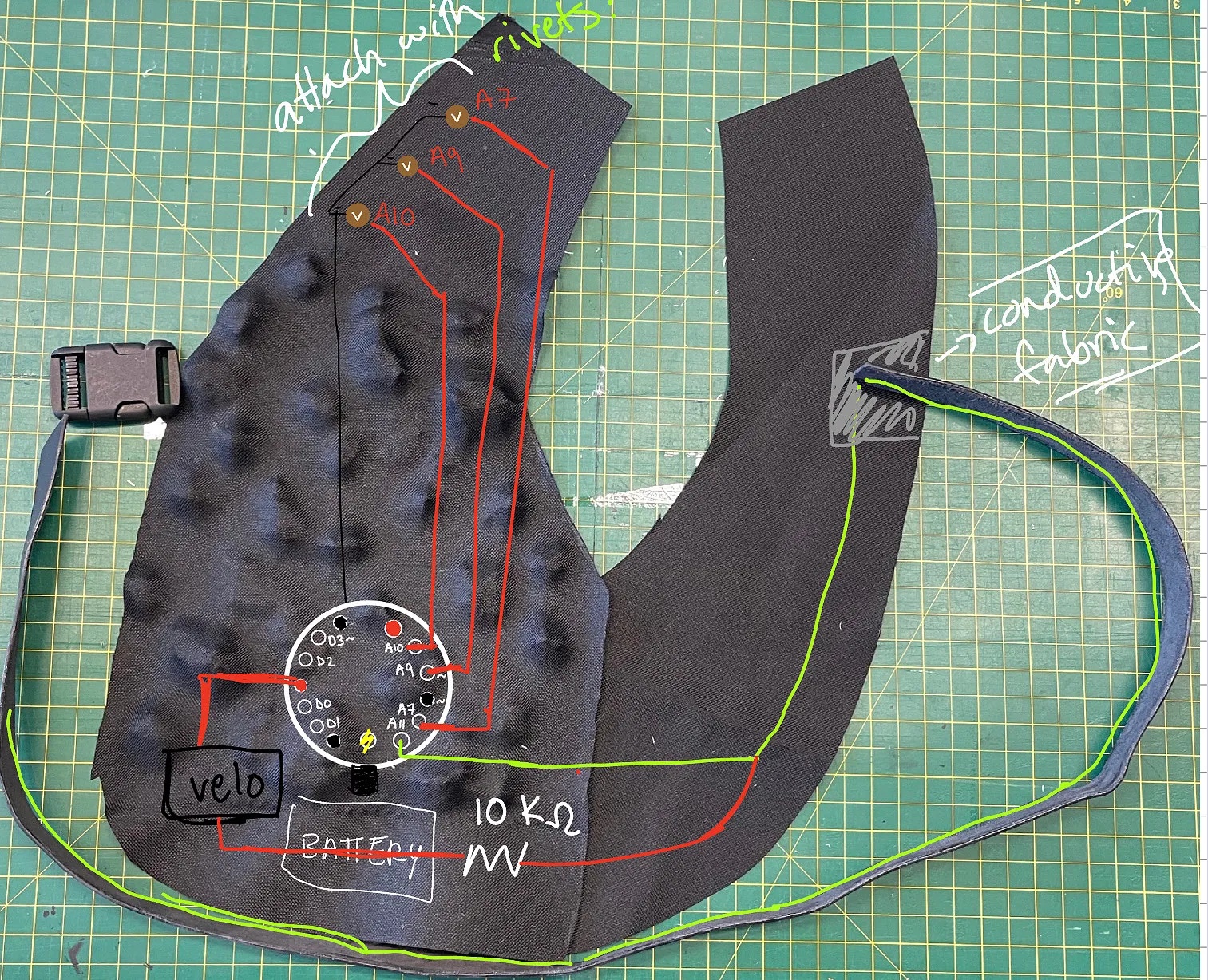
I first cut out the pattern pieces out of the formed fabric and then drew out the potential circuit connections digitally.
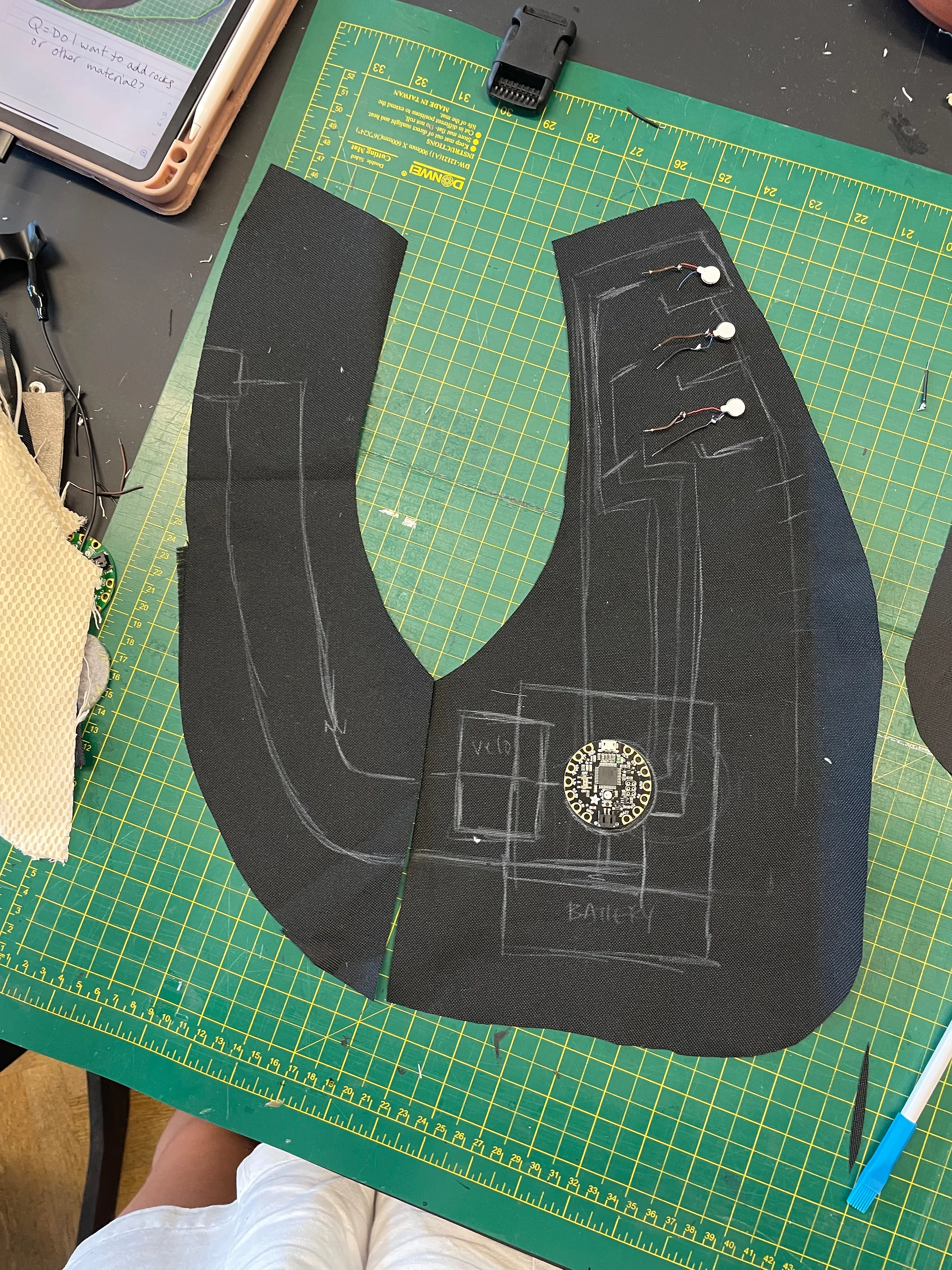
I followed my digital drawing and used chalk to mark the connections.
4) Adding components
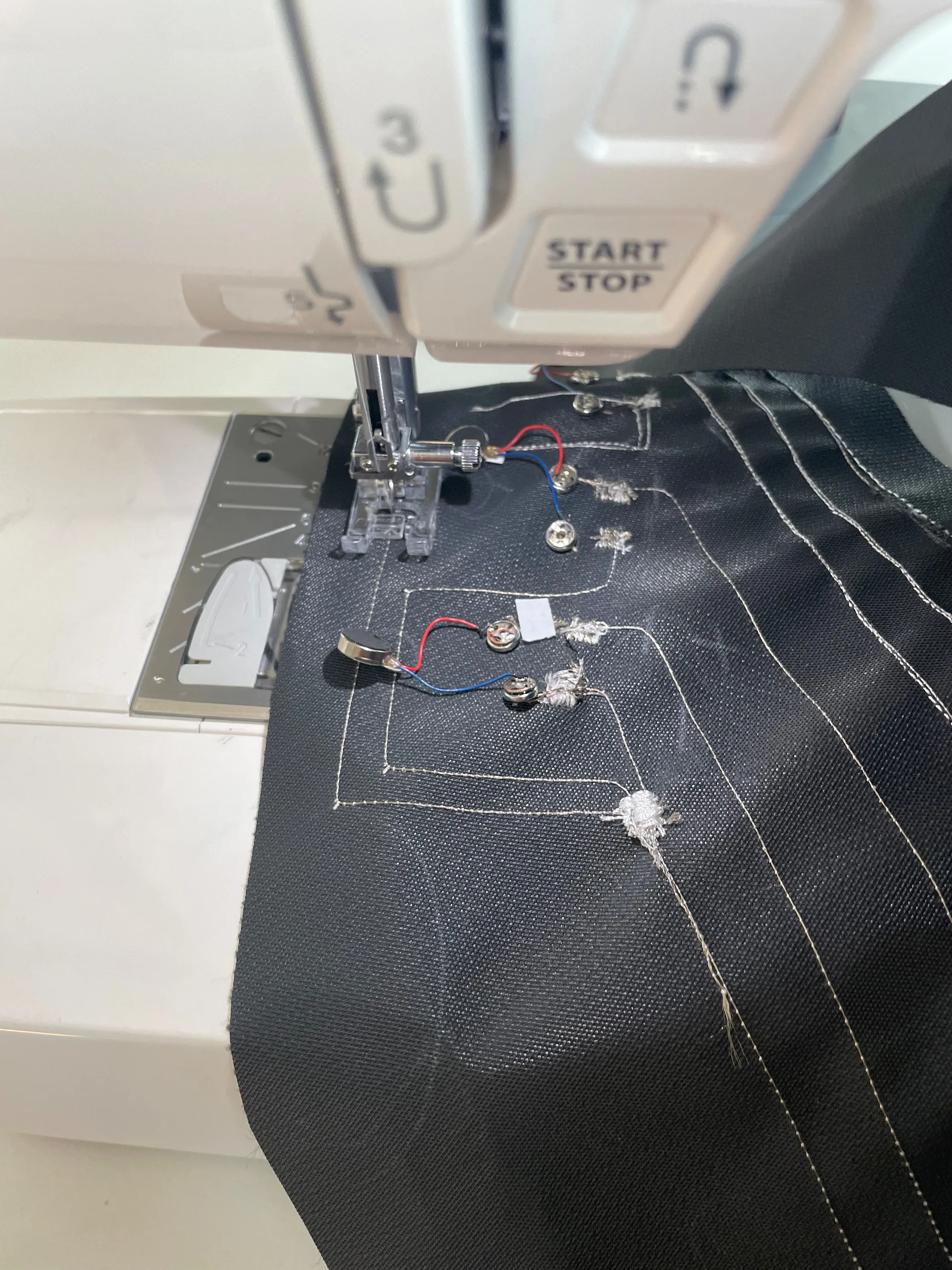
-
I sewed the connections using conductive thread in the bobbin.
-
I soldered snaps onto the vibration motors to create for a more durable “hard to soft” connection
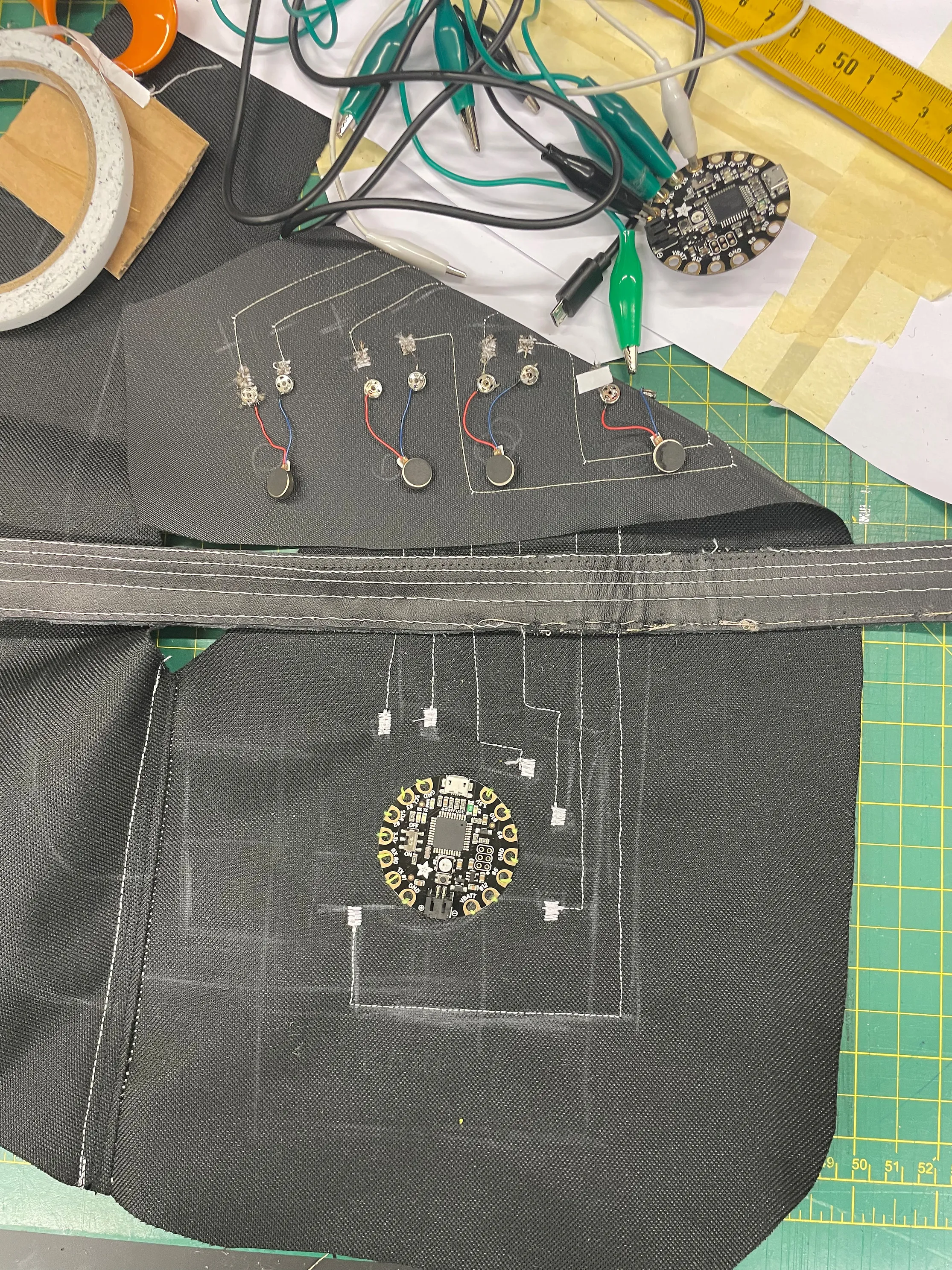
I explored creating a strap as a sliding switch, but unfortunately the connections were severed when attaching to the vest side seam.
5) Troubleshooting the work
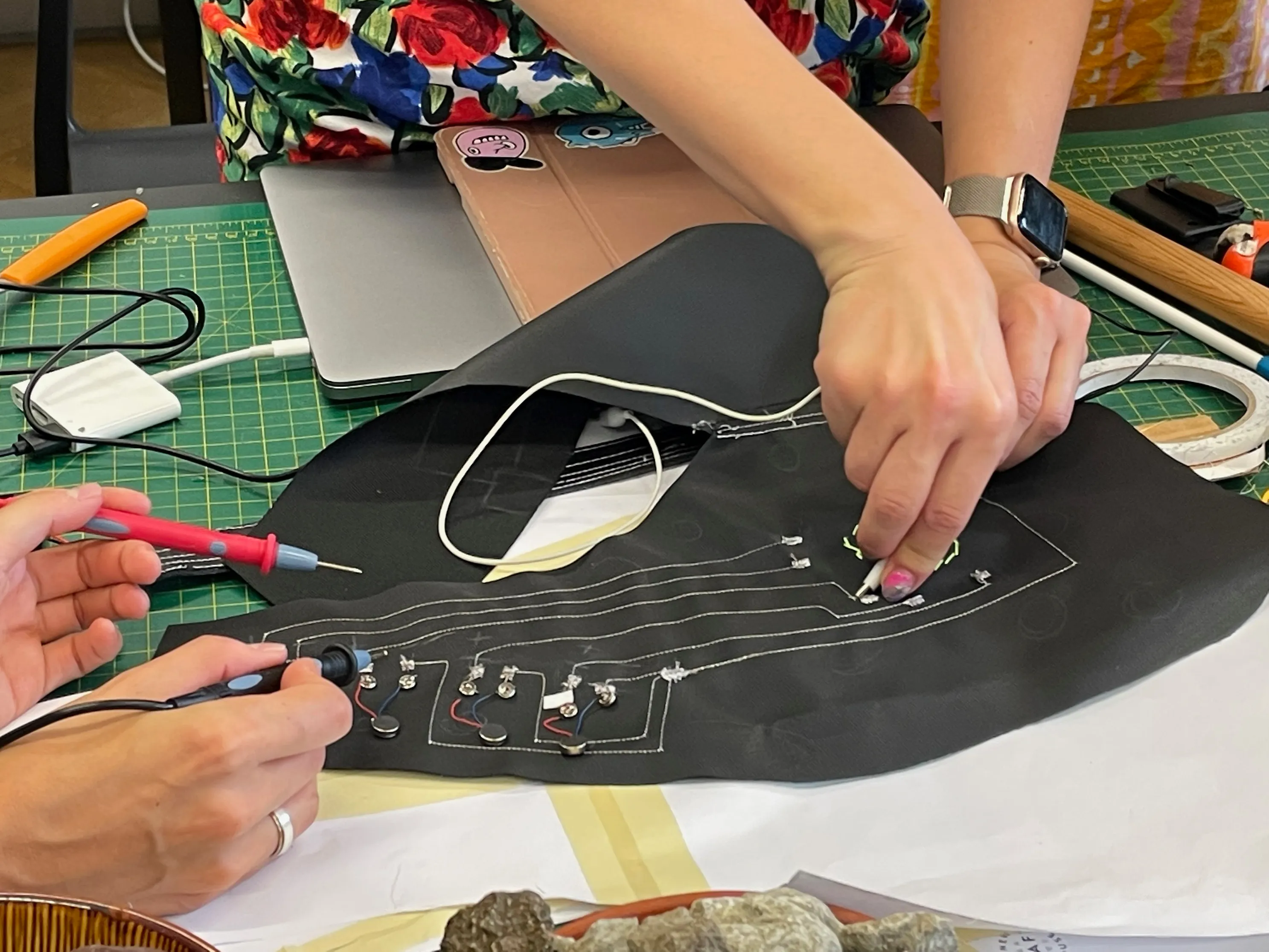
The conductive thread used was older and caused some issues with the connections. I used a multimeter to check the continuity.
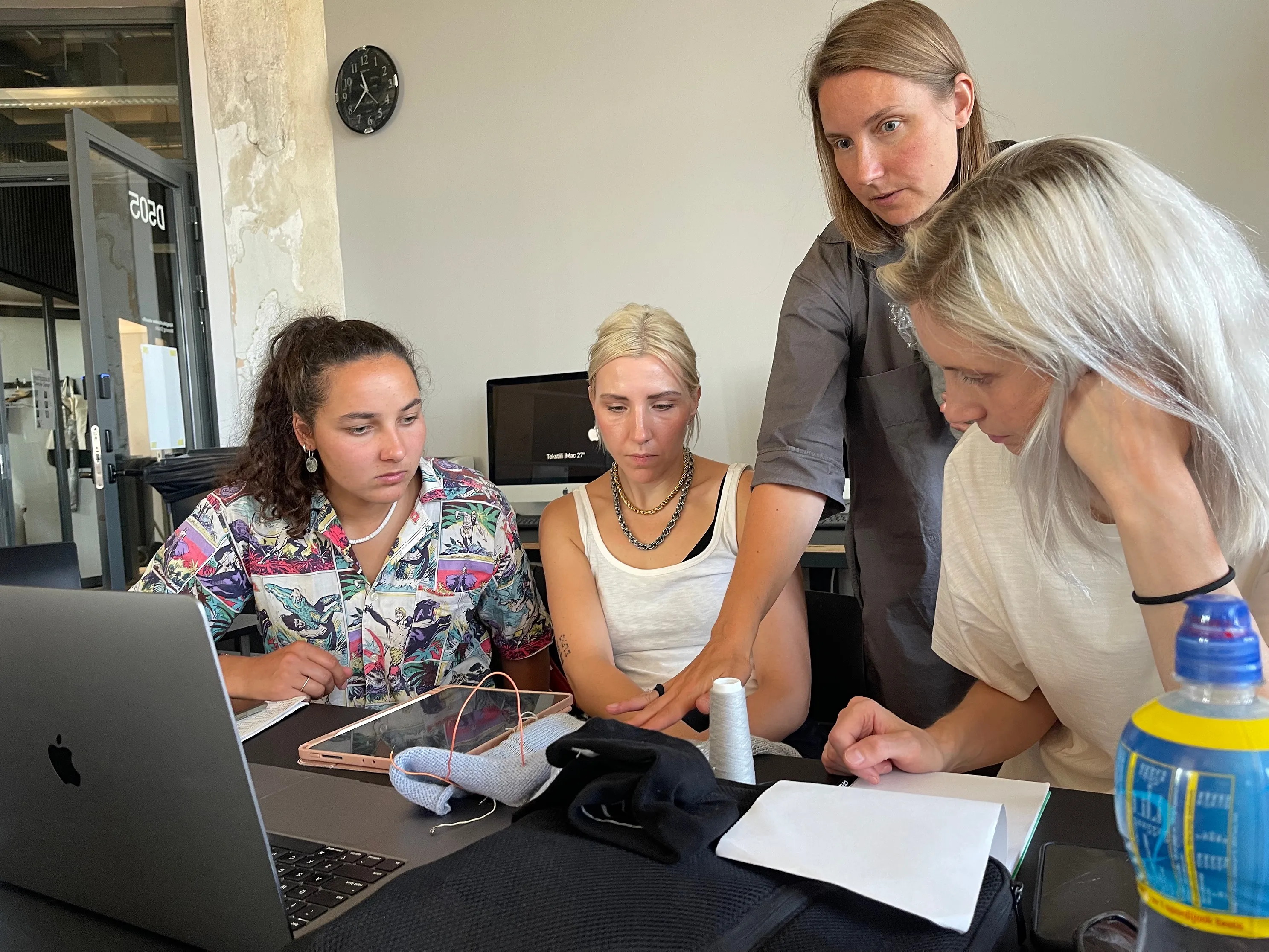
The other members of the residency helped troubleshoot the connections and the code.
Final result
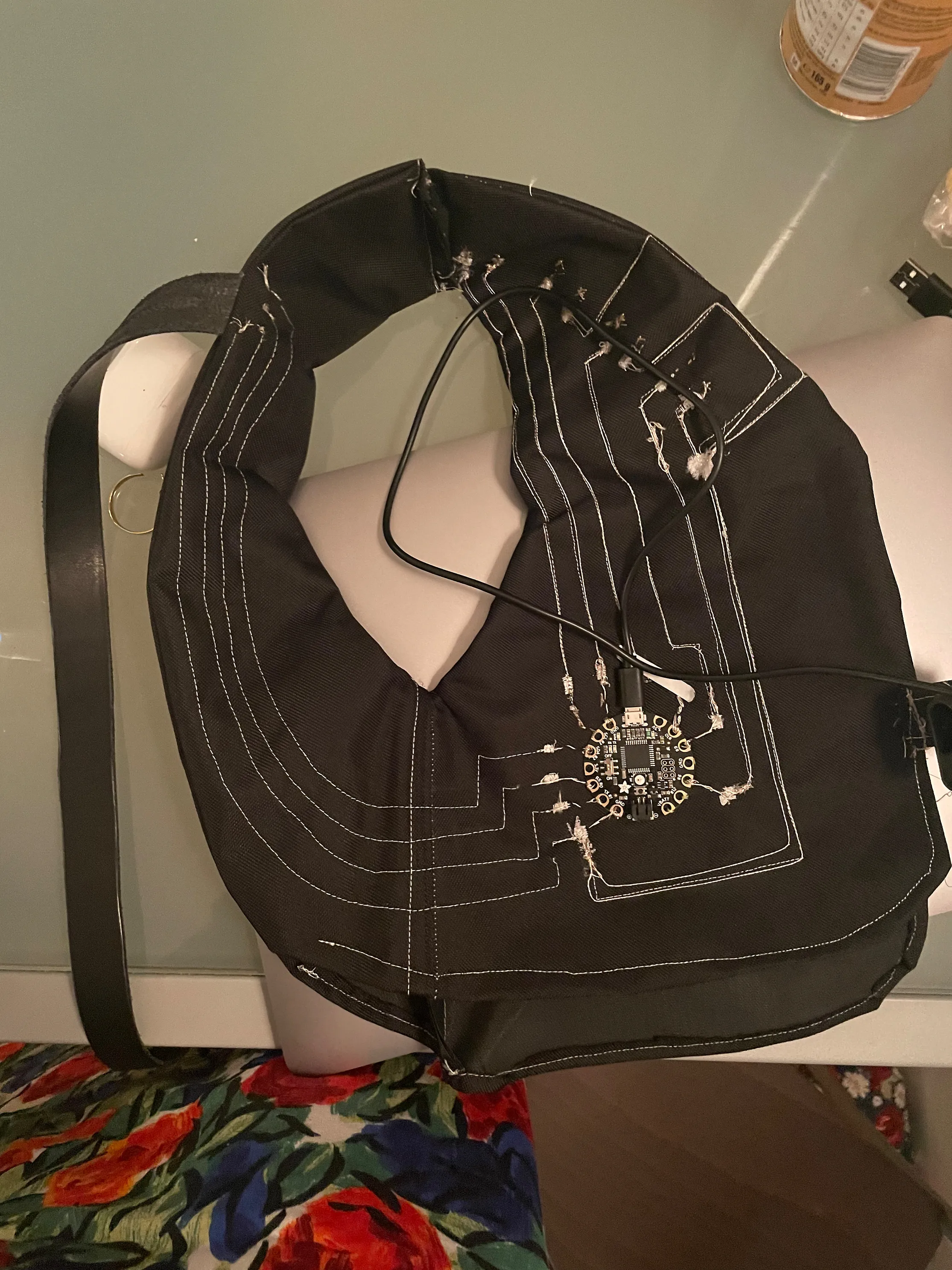
The inside connections. The vibration motors are on the inside of the lining.
The outer layer of the half vest complete.
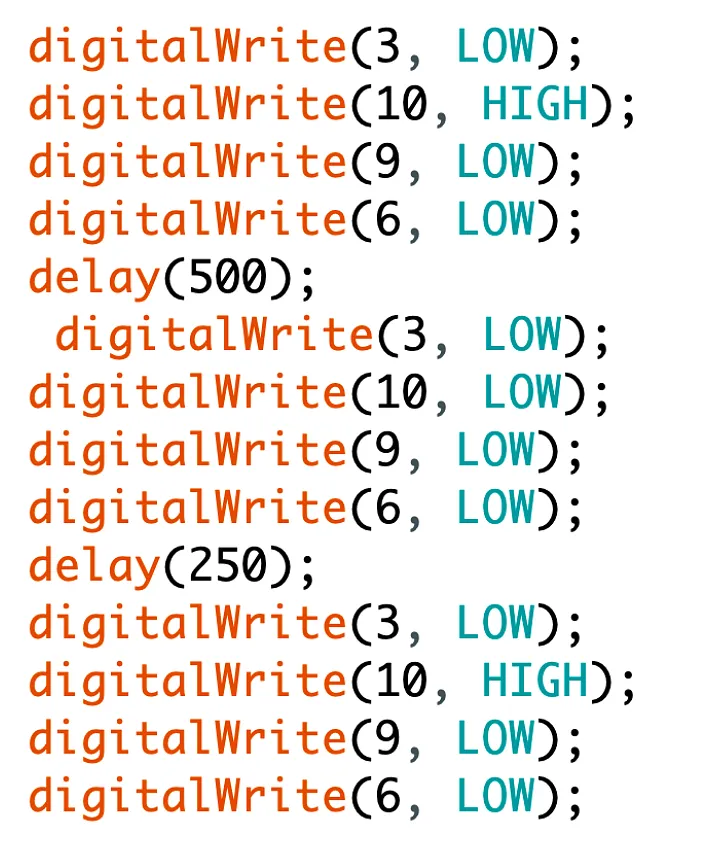
The final code (the motors oscillate up and down and up to the pulse of a heartbeat)
Next Steps
-
Creating inputs that are sturdy and relate to the output
-
Modifying the code to be more accurate to a heart beat.